
Promotional Video Examples: 8 Videos and What They Do Right
Eight promotional videos we've produced, ranging from a 65-second brand video to a documentary. Including the objective, runtime, and what you can contribute to your video.
Good examples of promotional videos show more than just beautiful images. They demonstrate how a video solves a specific problem. Here are eight promotional videos from our own production: ranging from a 65-second brand video to a documentary over four minutes long. For each film, we explain what it was intended to achieve, what it does well, and what you can adapt for your own film.
An Overview of the Eight Examples
| Movie | Form | Length | What You Can Learn |
|---|---|---|---|
| Nolte Küchen | Brand film | 1:05 | The product as a stage, not as a hero |
| PYUR | Brand Video for the Rebranding | 1:28 | Allocate the budget where it will benefit the brand |
| Barefoot Living | Promotional Video for the Relaunch | 1:35 | The founder tells the story himself |
| Ostrom | Testimonial | 1:25 | A customer explains the complicated part |
| Commerzbank | Promotional Video for the Product Launch | 2:26 | Translating Functions into Everyday Moments |
| Scania | Portrait | 2:09 | People, Not Strategy Papers |
| DKMS | Documentary Promotional Film | 4:16 | A Story with a Turning Point |
| BMAS | Documentary Promotional Film | 4:25 | Making Invisible Work Visible |
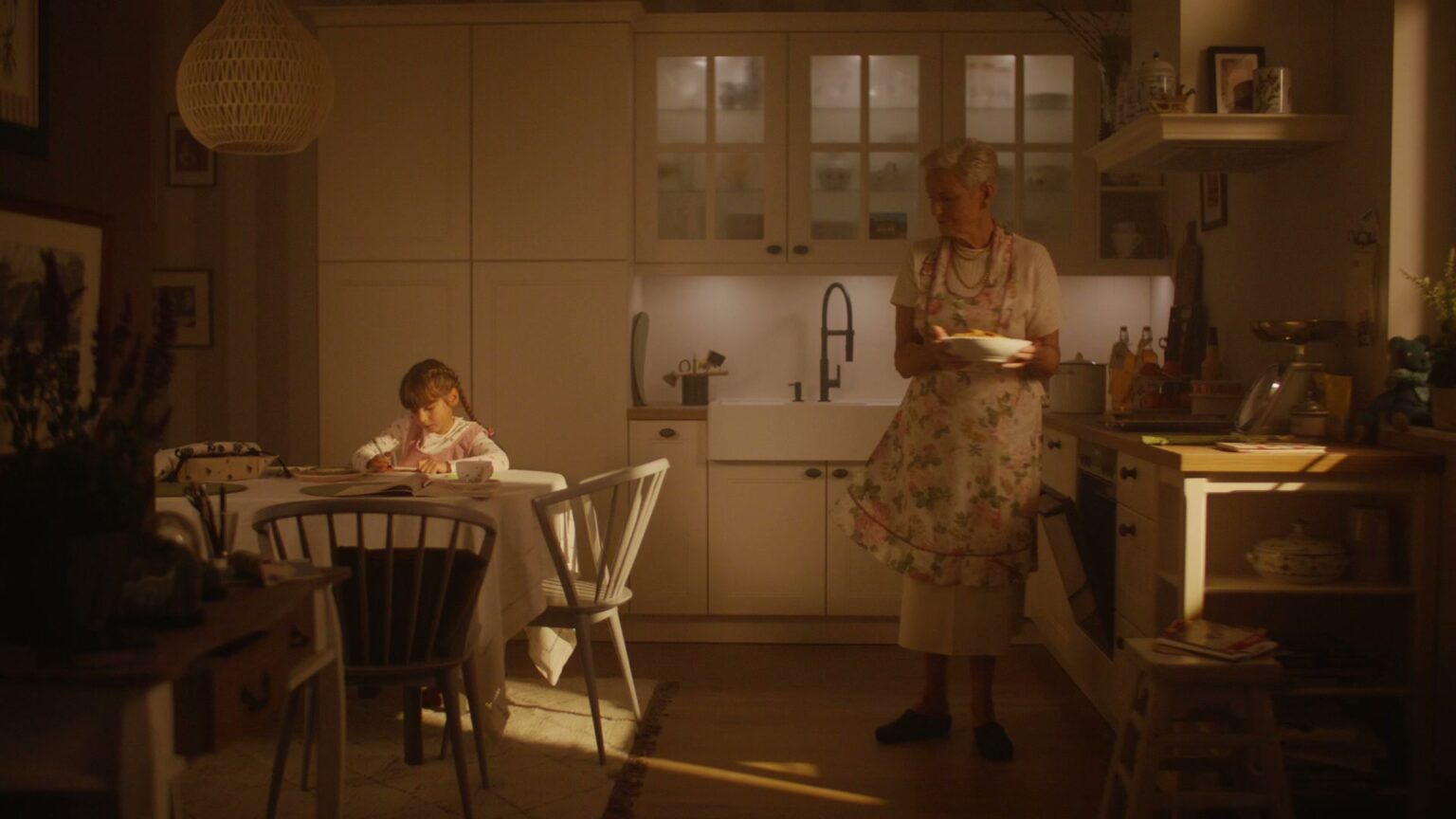
1. Nolte Kitchens: A Whole Life in 65 Seconds
The goal: A brand film that showcases what Nolte Küchen stands for—without a product catalog or price tags.
What the movie does right: A narrator recalls something her grandmother used to say: “Life rarely turns out the way you dream it will.” The film follows her through her dreams, new beginnings, and everyday life. The kitchen is never the focal point; it’s always the place where everything comes together. We filmed at Vogelsänger Studios, in collaboration with the agency W&S Epic.
What you can bring: Your product doesn't have to be the hero. Often, it has a greater impact when it serves as a stage for your customers' lives.
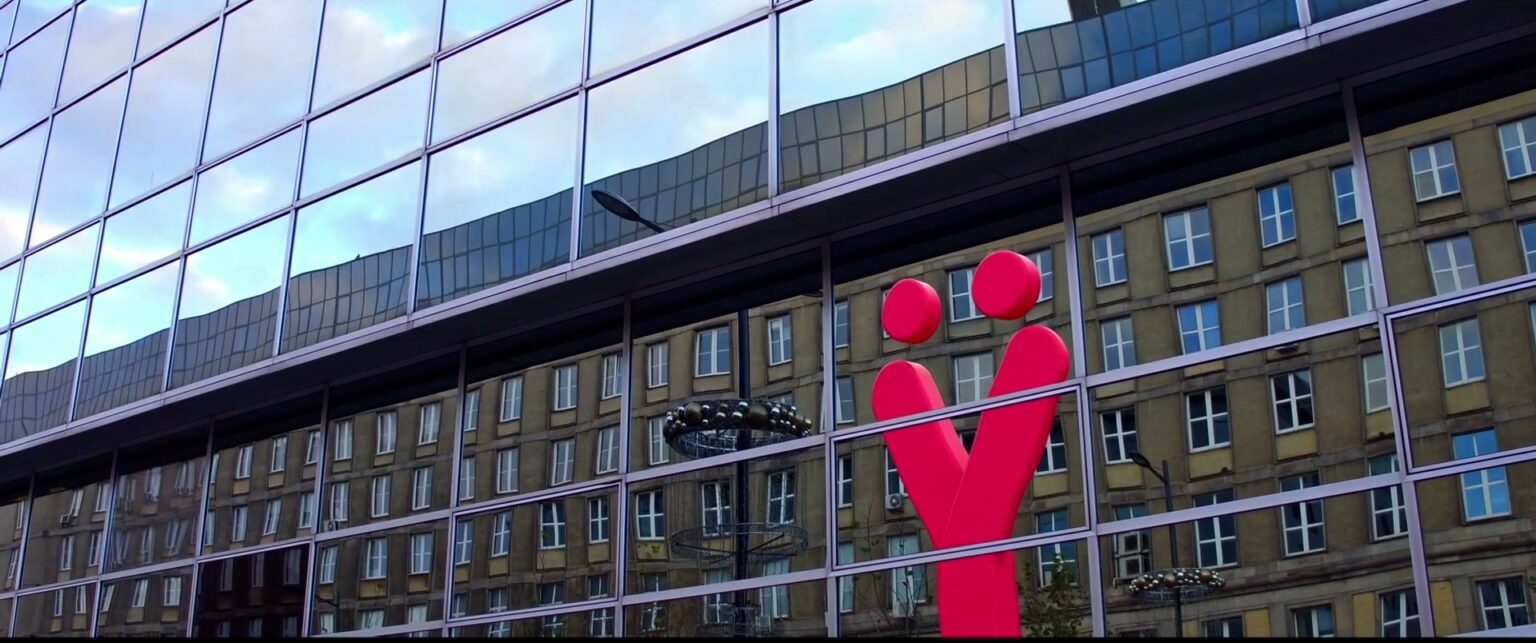
2. PYUR: A Manifesto for a New Brand
The goal: Tele Columbus became PYUR. The film was intended to explain the new brand, both internally and externally.
What the movie does right: It is a manifesto, not a product video. About 80 percent of the footage comes from stock footage, and 20 percent from two days of filming we did ourselves in Berlin. The budget went toward selecting the footage, editing, and a specially composed piece of music without a beat.
What you can bring: A promotional video doesn't have to be fully filmed. What matters is where the money goes. In a brand video, editing and music often make all the difference.
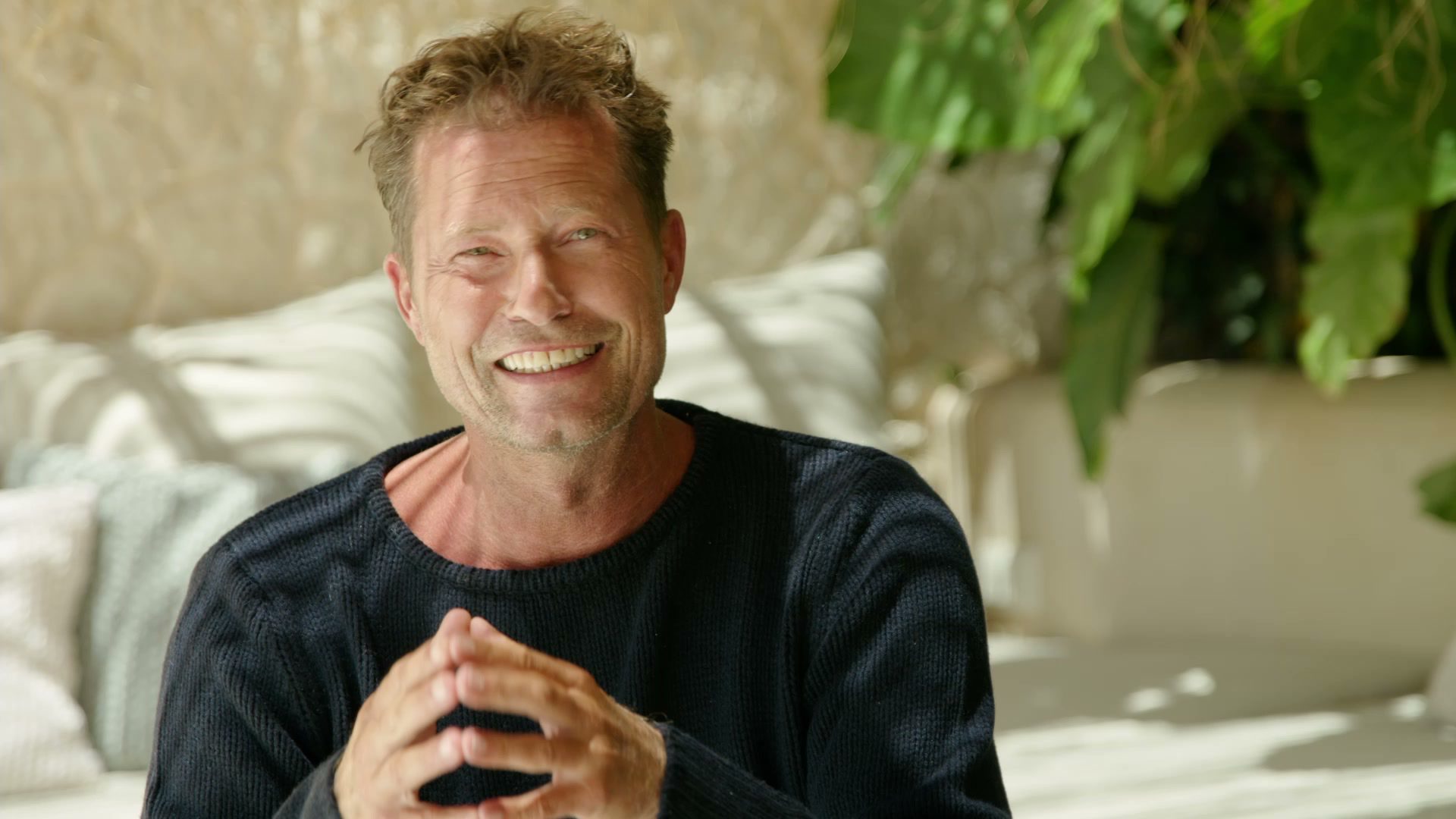
3. Barefoot Living: The Founder Tells the Story Himself
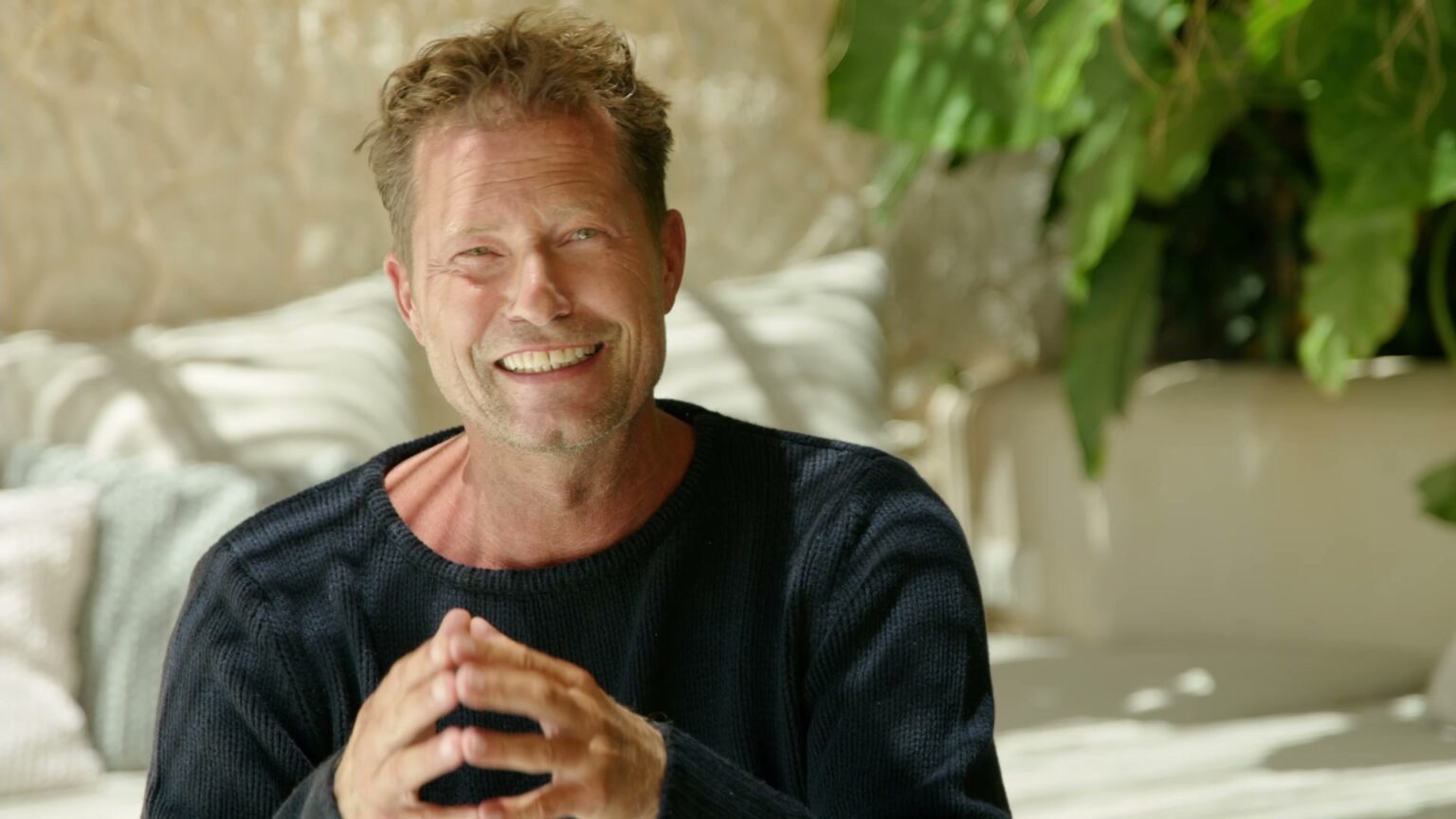
The goal: A film promoting the relaunch of Til Schweiger's Barefoot Living brand.
What the movie does right: He lets the founder tell his own story in a relaxed, sit-down interview. We filmed over two days at two fincas in Mallorca. Additional versions for social media were created from the main film.
What you can bring: If a person is the brand, they should be the one to speak. No spokesperson can tell your story as convincingly as you can.
4. Ostrom: A Customer Explains the Complexities
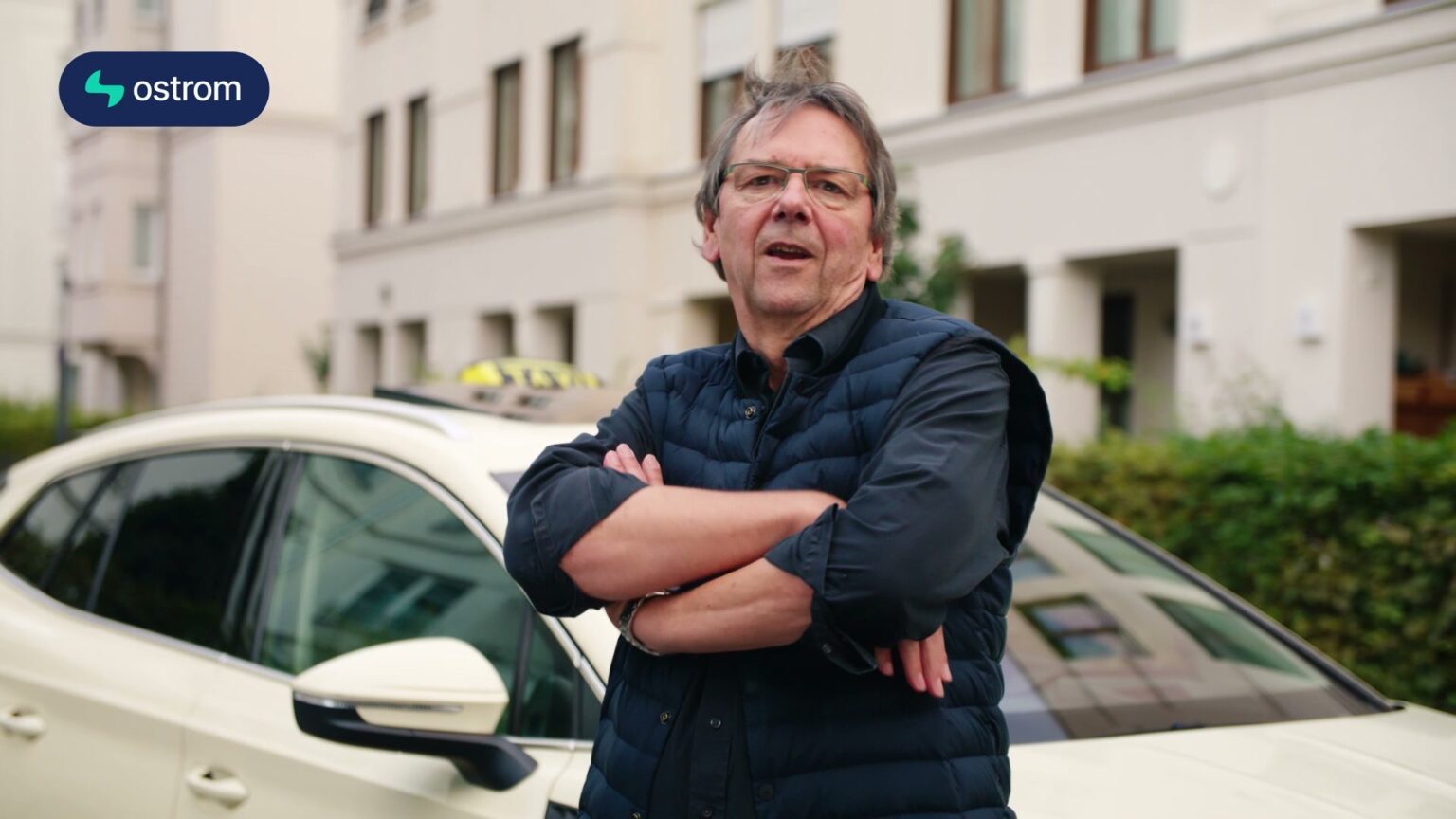
The goal: Ostrom's product offers a lot: dynamic rates, smart charging, and credits after every charge. Everyone should understand that.
What the movie does right: No narrator lists the features. A real customer explains how he uses the product. He is 70 and drives an e-taxi in Berlin. We filmed the entire project in one day at his home. In addition to the 16:9 video, we produced ad versions in 4:5 and 9:16.
What you can bring: The more complex your product is, the more important it is to have an authentic voice. Your customers often explain it better than your marketing does.
5. Commerzbank: Software is best explained with people
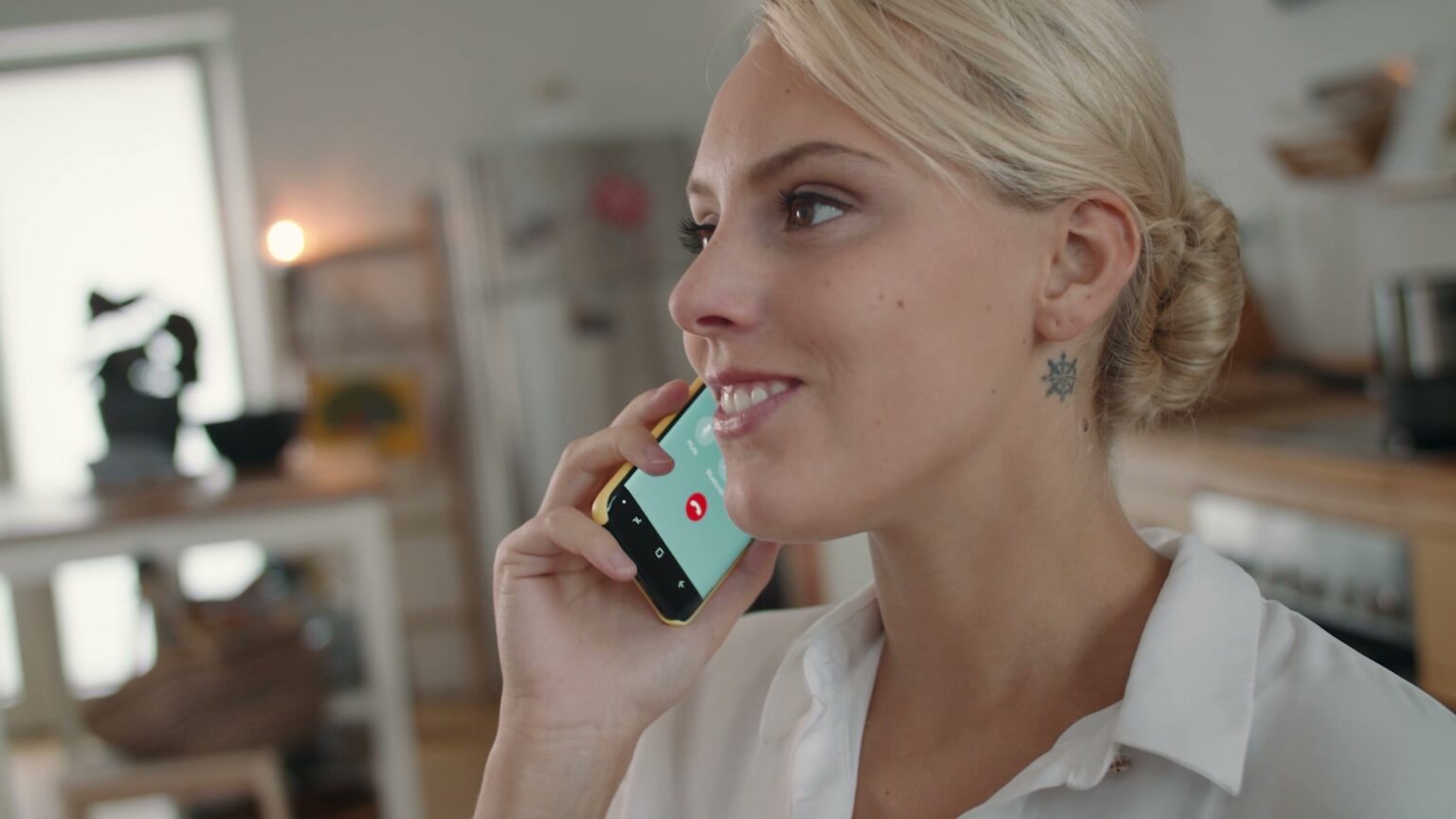
The goal: Commerzbank had to explain its new banking app twice—once to its own employees and once to its customers.
What the movie does right: He doesn't list features. He translates them into everyday moments. For example, the moment when the bike has already been paid for. We shot the commercial over two and a half days in Frankfurt am Main and Berlin, directly for the bank.
What you can bring: For each function, ask: At what moment does someone realize that it's helping them? That's the moment you focus on.
6. Scania: Sustainability You Can See
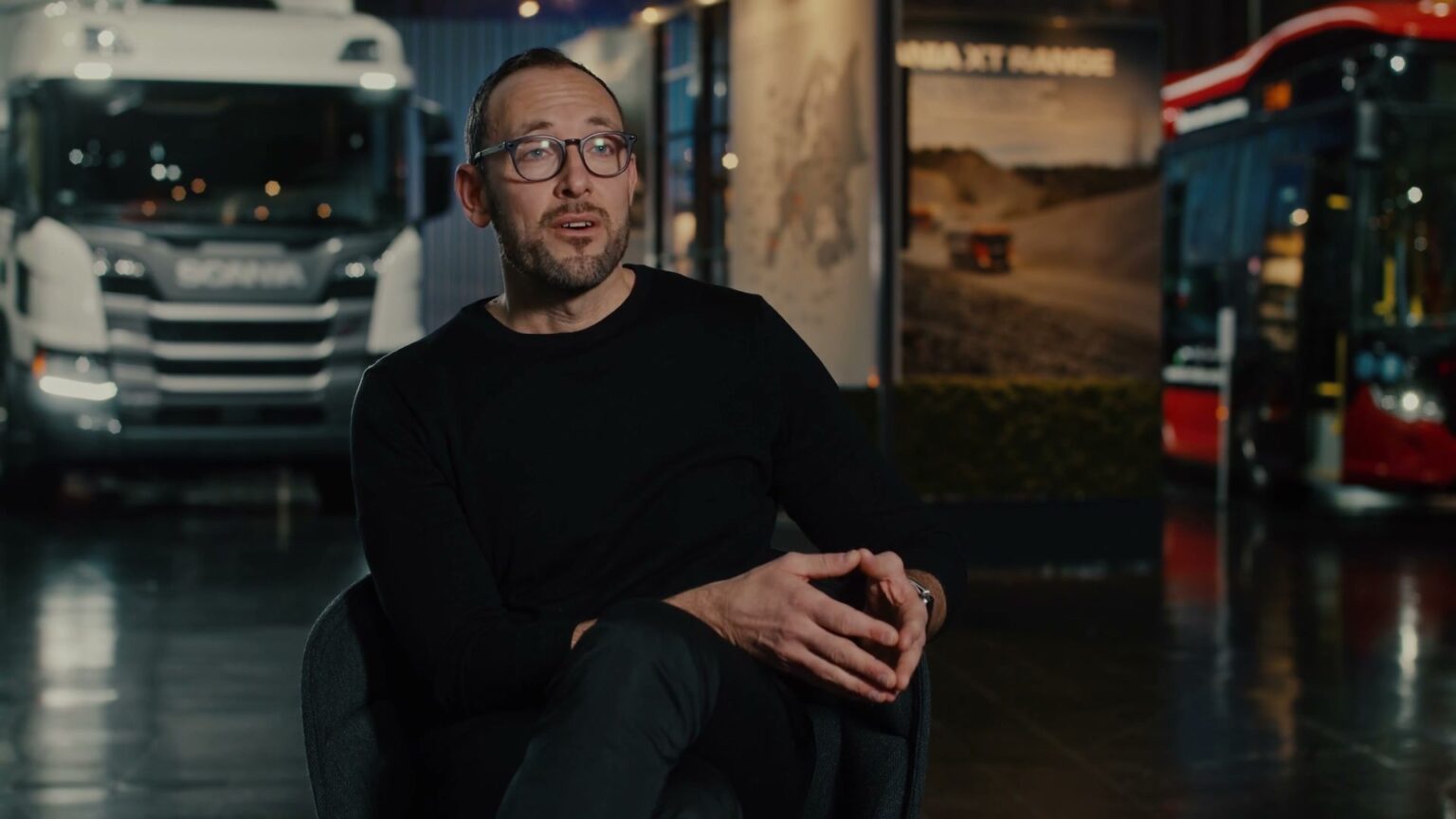
The goal: Scania wanted to show that its sustainability strategy is more than just a promise in its annual report.
What the movie does right: It shows the people behind Scania Sustainable City Solutions at work. Filmed in one day in Stockholm using two cameras, with a cinematic style rather than a corporate video. The concept and editing were handled by the Berlin-based agency Rethink.
What you can bring: You can't film a strategy. But you can film the people who carry it out.
7. DKMS: A Story That Inspires People to Become Donors
The goal: More people should register as stem cell donors.
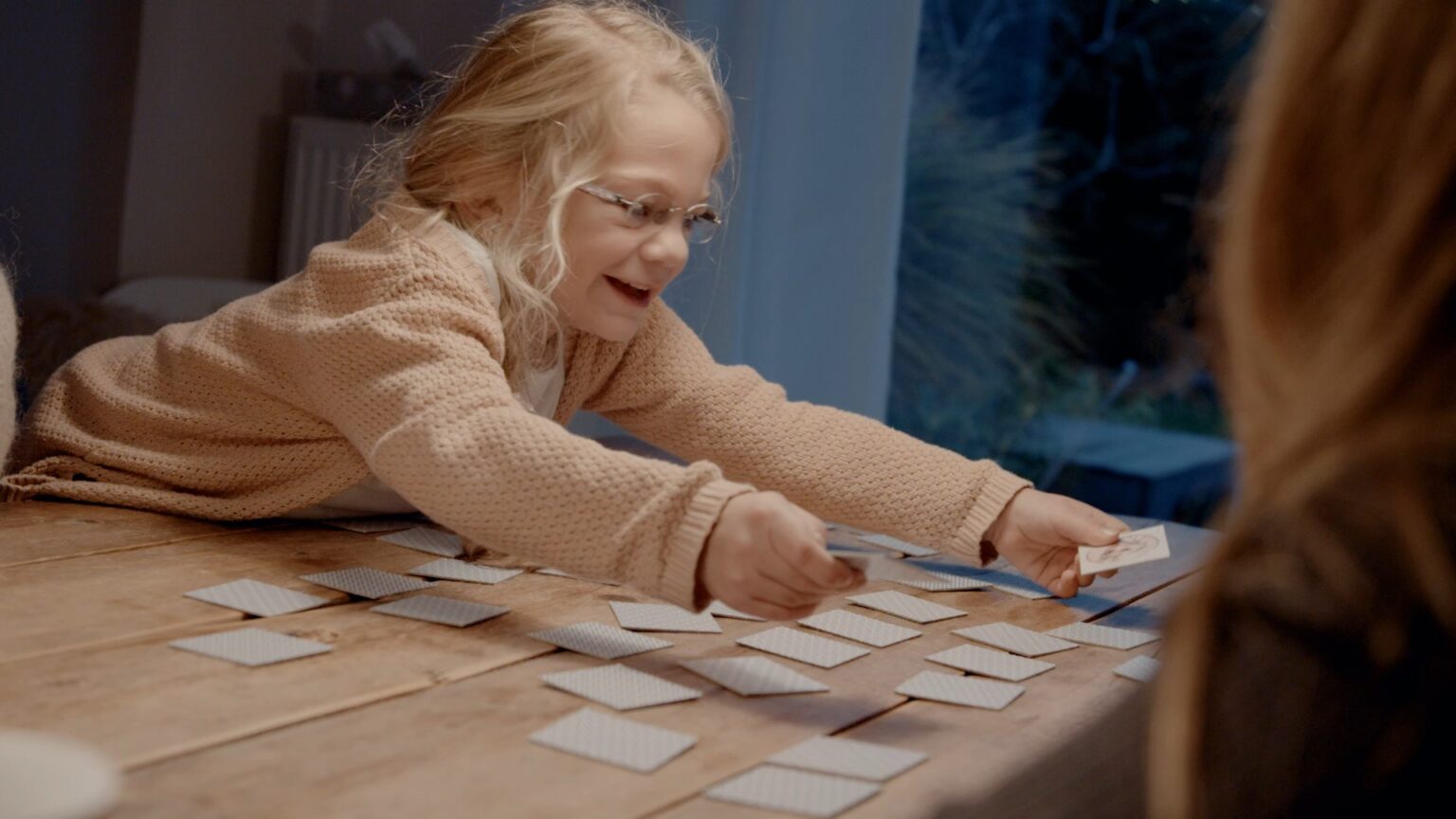
What the movie does right: It tells a single story. A baby receives a serious diagnosis. The family organizes a donor registration drive, and an entire village signs up. Then the call comes: We have a donor. We shot the film over two days in November 2018. The film is 4:16 minutes long and feels even shorter.
What you can bring: A genuine story with a turning point can be any length. Without a turning point, even the second minute feels long.
8. BMAS: Making Invisible Work Visible
The goal: At a farm in Saxony, men struggling with addiction are finding their way back to everyday life and work. The Federal Ministry of Labor and Social Affairs wanted to show how this quiet support makes a difference.
What the movie does right: He observes rather than explains. The farm, the work, the conversations. We shot the film in one and a half days in Central Saxony. In addition to the 4:25-minute film, we also produced a 1:13-minute teaser in 4:5 aspect ratio.
What you can bring: Especially in social work, the setting speaks louder than any statistic. And a feature-length film needs a short trailer that piques viewers’ curiosity.
What the eight examples have in common
- Real people, whenever possible. In most of the eight films, founders, customers, employees, or those affected appear on camera.
- One message per movie. None of the eight films attempts to tell the whole story about the company.
- The length depends on the story. From 65 seconds to 4 minutes and 25 seconds. Any length is fine as long as each scene brings something new.
- Sockets are included in the plans. Ostrom, Barefoot Living, and BMAS have been given short versions for social media.
On this page, we'll show you how we work with you to develop a film like this, from the initial consultation to delivery. Corporate Film Production.
Frequently Asked Questions About Promotional Video Examples
What makes a good corporate video?
A clear goal, a message, and real people. A good promotional video addresses a specific problem, such as a relaunch or a product that requires explanation.
How long should a good promotional video be?
Our eight examples range in length from 65 seconds to 4 minutes and 25 seconds. Brand videos are short, while documentary films can be longer.
Real employees or actors?
For most promotional videos, real people are best. They come across as more believable. Actors are more suitable for staged brand videos.
Can a promotional video work with stock footage?
Yes, as long as the selection, editing, and music are right. About 80 percent of the brand film for PYUR consists of stock footage.
How many days of filming does a promotional video require?
For the examples provided, filming took between one and two and a half days. The amount of work involved is determined by the filming locations and the actors, not by the length of the film.