

 Image Film
Promotional Video for Colleges, Educational Institutions, and Continuing Education Programs
First-year students compare colleges on their phones; participants are looking for continuing education they can trust. A promotional video shows both groups what it’s like to study at your institution—as told by students, faculty, and participants themselves. We’ve already produced this for the Federal Employment Agency’s University, the Viona Network, and the IBB Institute for Vocational Education and Training.
Institutions and companies that trust us






























Basics
Education isn't sold based on facilities. When someone decides to pursue a degree or continuing education, they're choosing people, a place, and a path. That's why your film doesn't show the lecture hall—it shows the lecture itself. It doesn't show the course catalog—it shows the student who goes on to land a job.
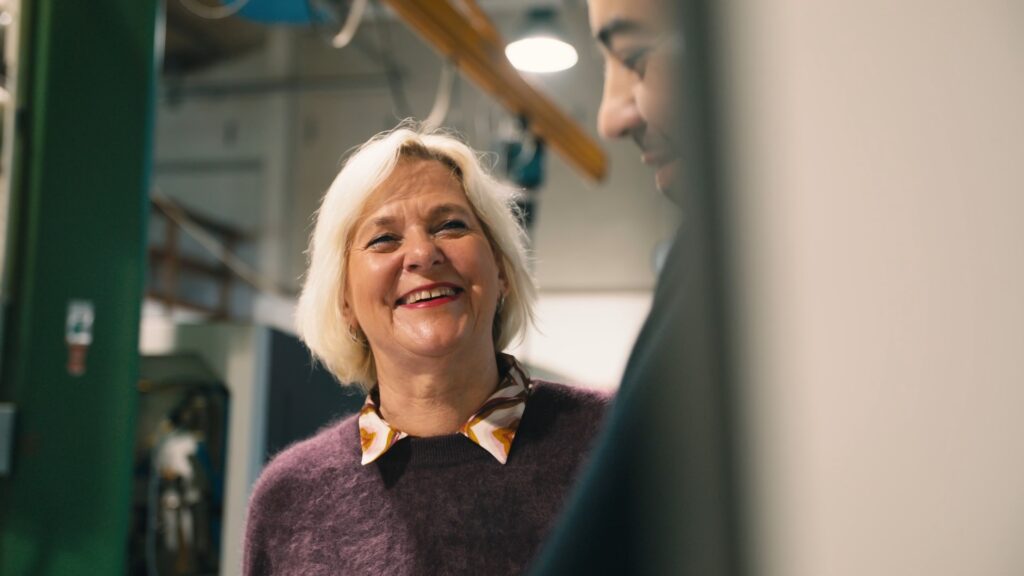
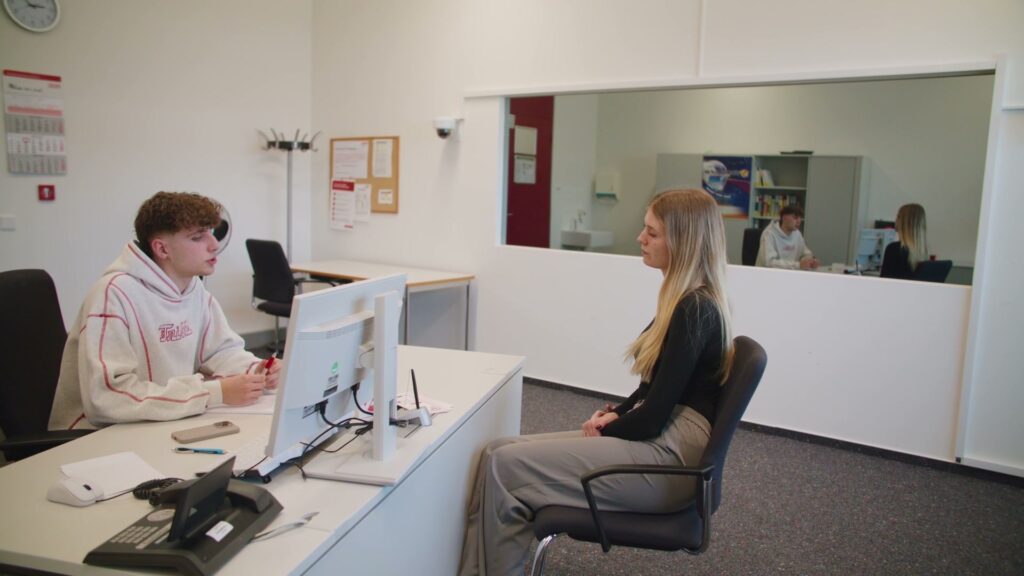
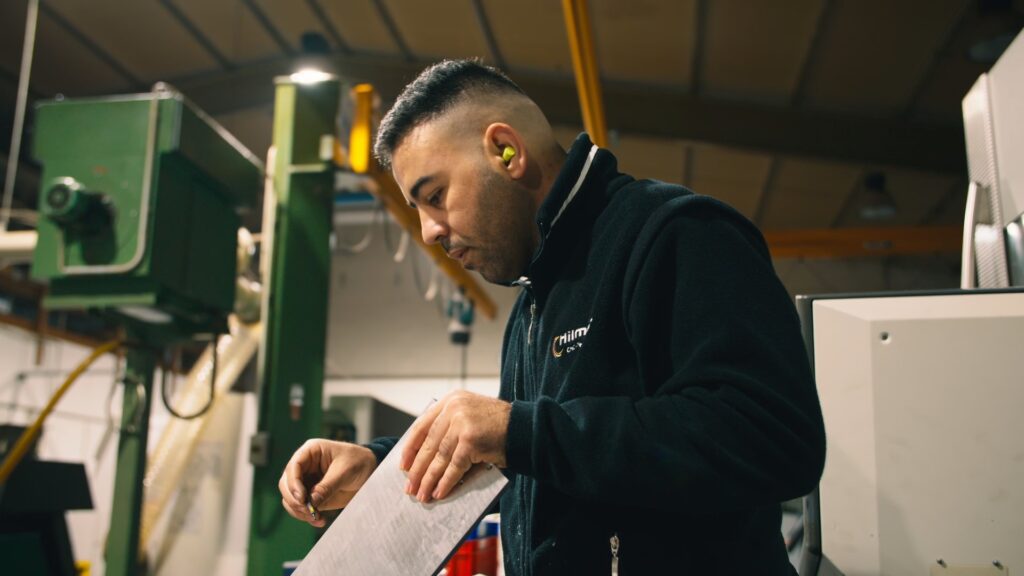
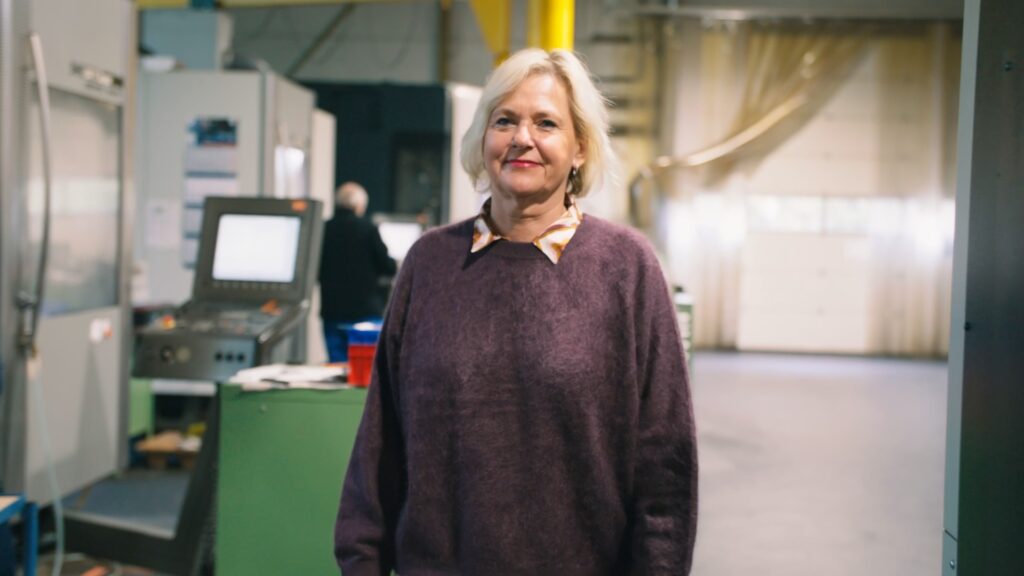
For the Federal Employment Agency’s University, we filmed the dual study program in Schwerin, featuring stories from students and faculty. For the Viona Network—comprising over 150 educational providers with more than 1,500 locations—we produced a promotional video to support its rebranding. For the IBB, a testimonial video shows how career counseling and continuing education helped a skilled worker secure a position operating a CNC machine at a company in Hanover.
Promotional video, program video, and testimonial video are three formats produced during a single shoot. You can find out how we develop them on the page for Corporate Film Production and in the magazine under Promotional Video Concept.
Case Study · Viona Network
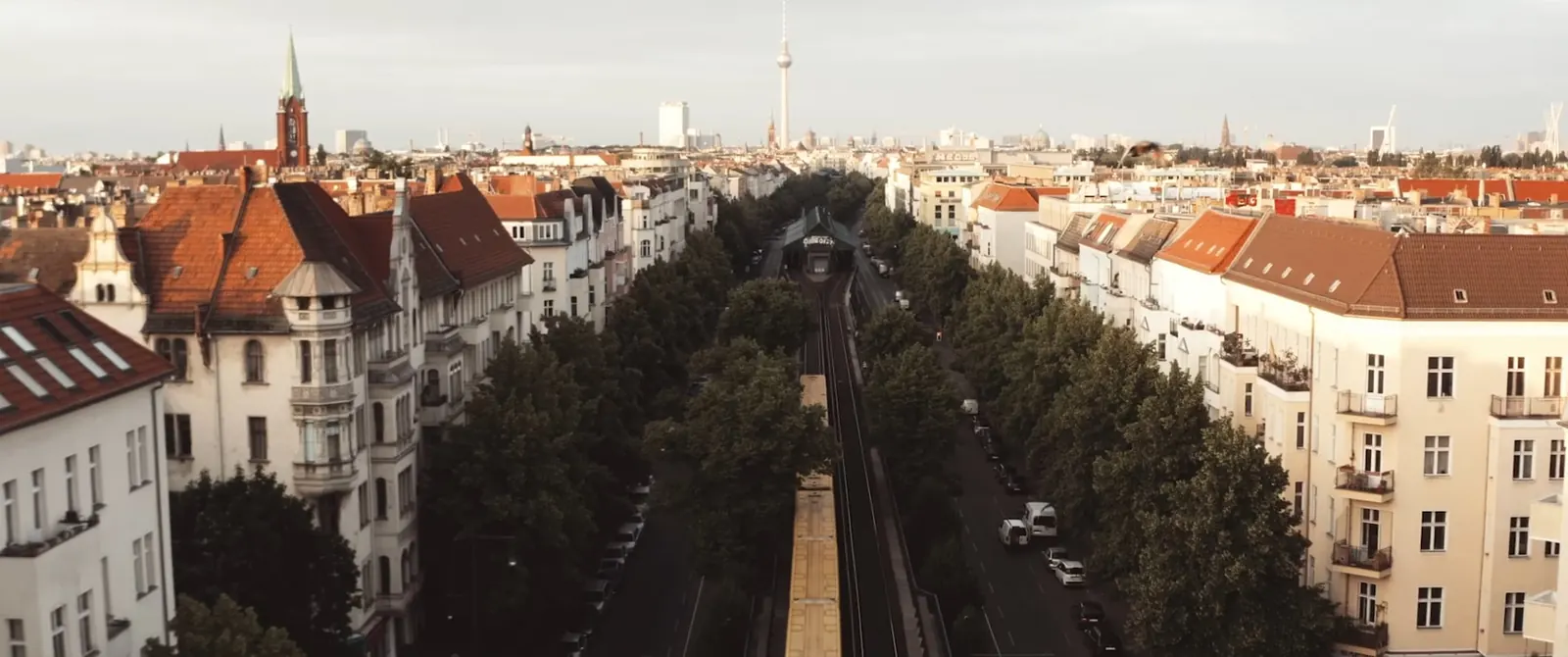
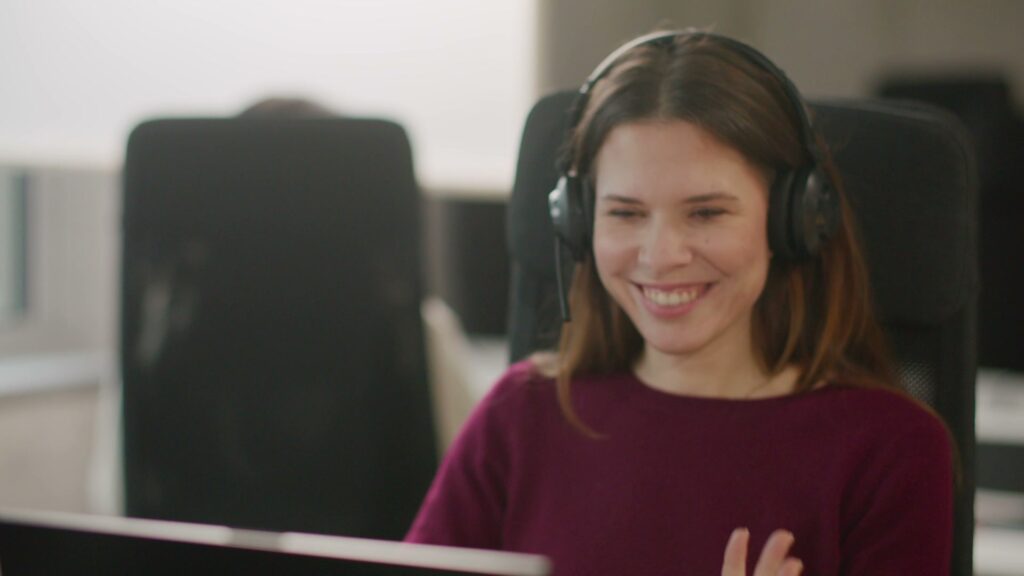
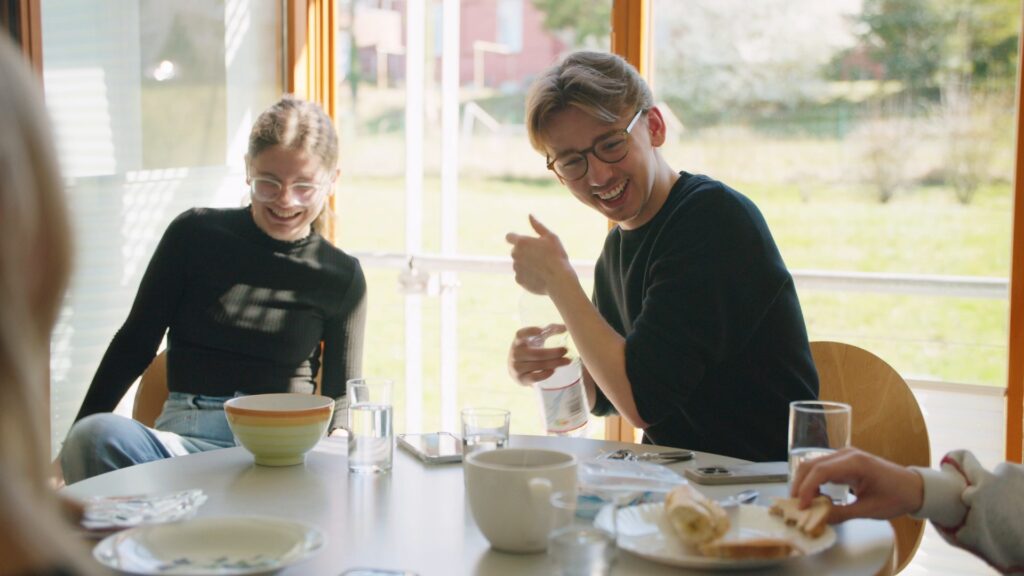
More than 150 independent educational institutions under one brand—and no one can dictate what kind of video they should produce. That’s why the rebranding promotional video doesn’t feature any single location, but rather situations that occur throughout the entire network. The partners added it to their websites on their own initiative.
„In two shoot days, we got an incredible amount of content for our social media. And the image film was a huge success.“
Andrea Krier · Team Lead, Brand & Communications · IBB Institute for Vocational Education and Training, Inc.Specifically
A university promotional video plays on the homepage, on the program pages, at open house events, and at education fairs. As a vertical-format video, it directs prospective students from Instagram and TikTok to your application page. You can reach international students with an English version. And if you’re looking to hire professors, research assistants, or administrative staff, the same video can be used to Recruitment Video for the Public Sector.
For a dual degree program, the video must showcase both learning environments. In the case of the HdBA video, these are the campus in Schwerin and the practical training phase at the job center, featuring real-life cases and real responsibilities. The program video explains a single program in 60 to 90 seconds and is more cost-effective when produced as a series with a consistent visual style. The testimonial video features a graduate or participant sharing their personal journey.
Whether it's a college film, a series for a degree program, or a film for your educational network: You'll receive an honest assessment of which film will truly benefit you, along with a proposal that fits within your procurement guidelines and budget.
Posture
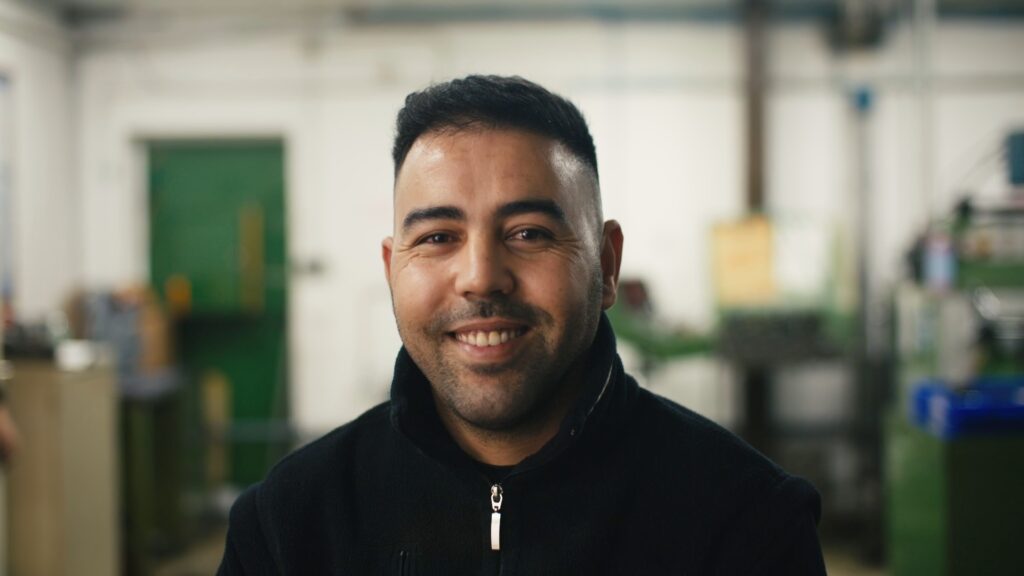
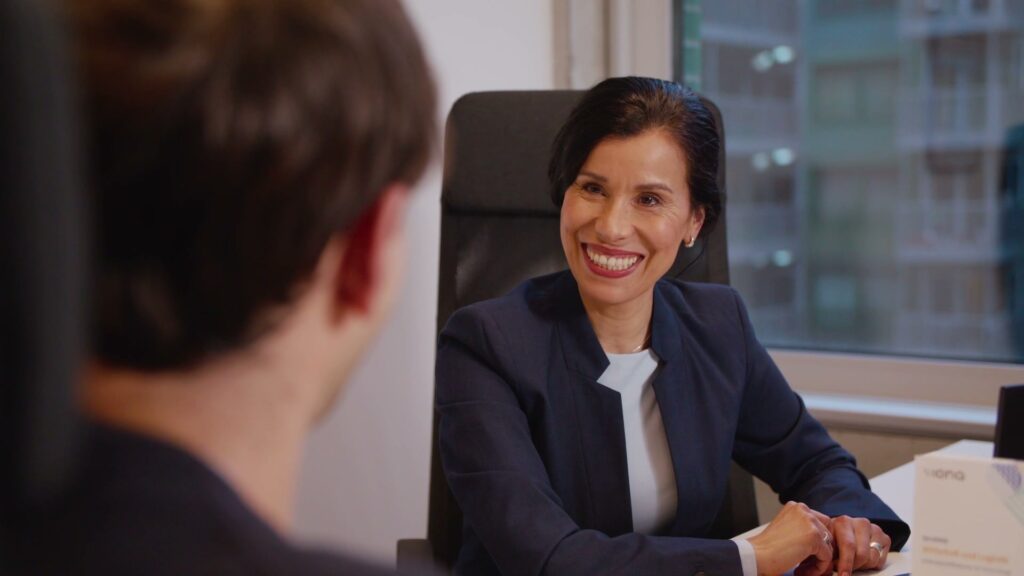
A university film in which only the administration speaks won’t convince a 17-year-old. That’s why we put the people who know what everyday life is really like in front of the camera: students, program participants, faculty, and advisors. No one is given questions in advance; we simply have conversations. In the IBB film, four people have their say: the employer, the skilled worker, and two counselors. Only together do their perspectives tell the story.
Anyone appearing on camera must first provide written, informed, and revocable consent. For minors, legal guardians have a say in the decision; starting at age 14, the young people themselves may also give consent. In lectures and seminars, we plan our content so that no one is recognizable without being asked. Subtitles are standard for us—burned into the video for social media and provided as a separate file for your web player. We also incorporate audio description, sign language, or easy-to-read language if you need them.

Case Study · University of the Federal Employment Agency
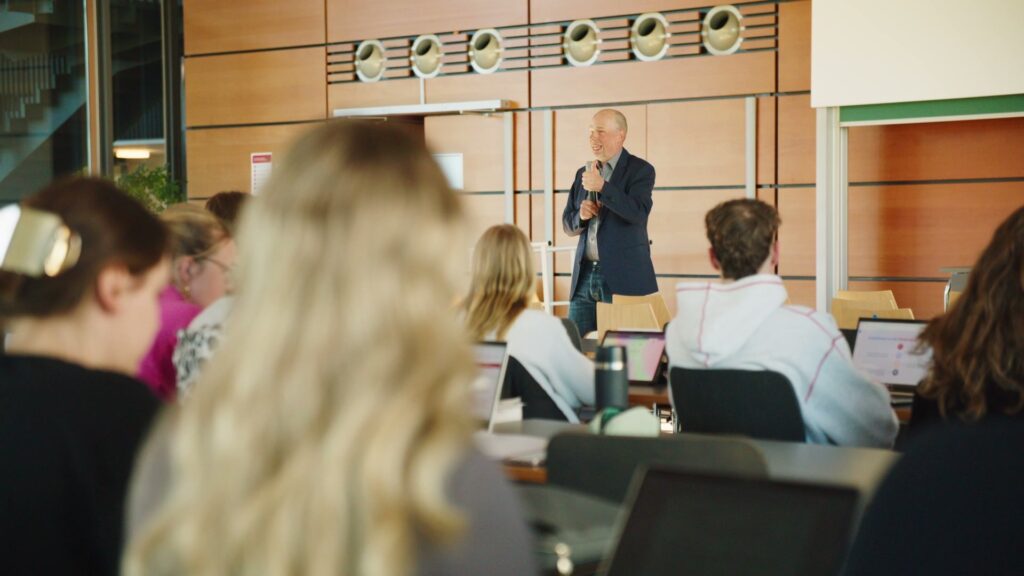
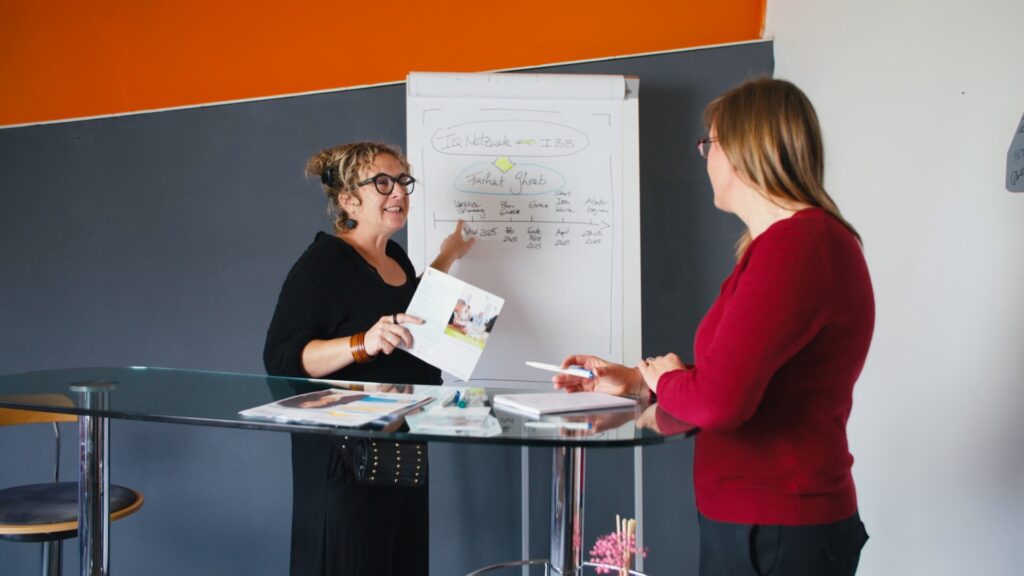
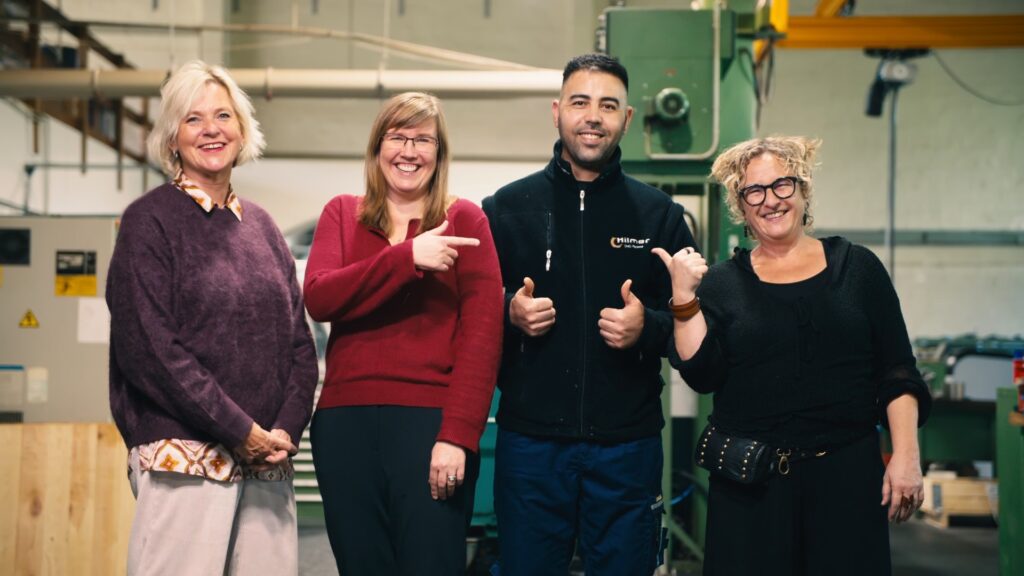
What is it like to pursue a degree that leads straight to the job centers and employment agencies? This film about the HdBA in Schwerin shows us through the eyes of those who know best: students who are already registered with a job center, and faculty members who shape campus life.
Budget and Contracting
Public universities award contracts in accordance with the procurement laws of their state or the federal government: depending on the contract value, this may be done as a direct award, through a comparison of bids, or via a formal procurement process. The requirements vary from state to state, which is why we don’t provide a specific figure here; instead, we provide what you need for each procedure: a quote with clearly itemized line items and, upon request, a framework agreement for a series of degree programs. Our promotional videos start at 8,000 euros net; for more information, visit the page How much does a promotional video cost?.
Training providers with AZAV accreditation often reach participants through the Employment Agency or the Job Center; the education voucher covers up to 100 percent of the costs. Your film must therefore appeal to two groups: the participants and the counselors who advise them. The IBB testimonial shows the entire journey from the initial consultation to the employer. For universities of public administration and state academies: Brand film for authorities and the public sector. For companies offering apprenticeships: Apprentice recruiting film.
How your film comes together
You tell us what you want the film to achieve: first-year students, participants, professionals, and partners. We develop the story and the scripts, speak with everyone who will be in front of the camera in advance, and secure consent and filming permits.
One to three days of filming at your school, scheduled around your class schedule and coursework. A small crew, with film and photography taking place simultaneously, so that a single day of filming yields a whole collection of images.
The main film, vertical-format versions, language versions, and subtitles are all created from a single edit. The protagonists watch the film before its release, and you approve it.
References
Image Film Image Film
 Image Film
 Image Film
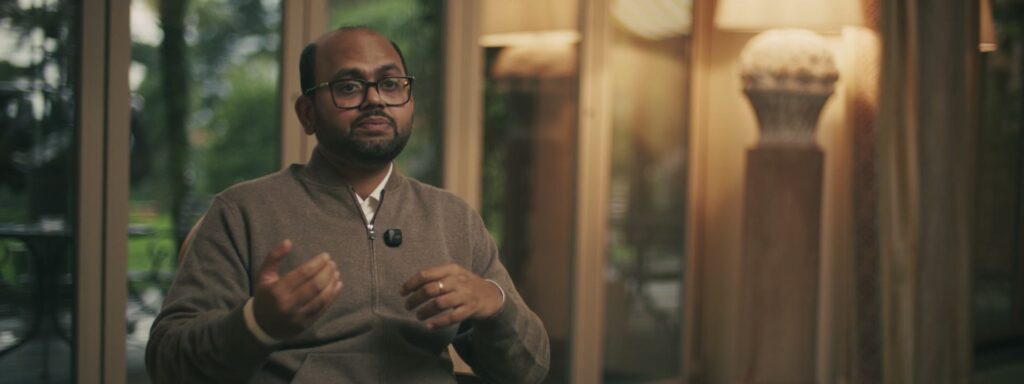 Image Film
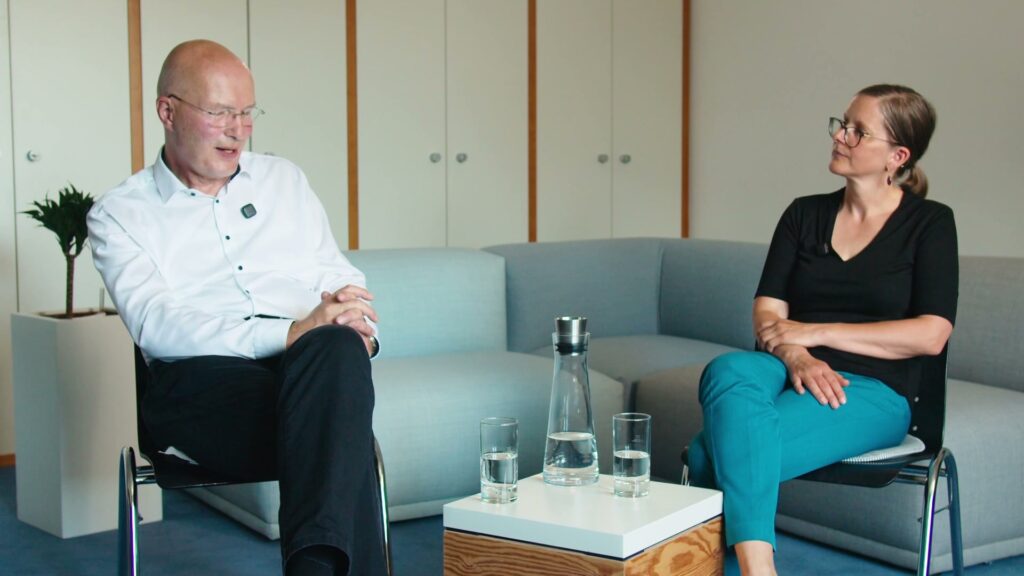 Image Film
Kick-off call

★★★★★
5.0 on Google, 59 reviews
Christian Martin Schäfer is the CEO and director of ROCC Film. With us, you’ll be speaking directly with him from the very first call—not with a sales representative. Fifteen minutes are all it takes for an honest assessment.
Frequently Asked Questions
That depends on the number of shooting days, locations, the number of protagonists, and the versions: language versions, vertical cuts, and subtitles. At ROCC Film, promotional videos start at 8,000 euros net for one shooting day, including concept, editing, color correction, and music. A series of promotional videos for academic programs becomes more affordable per video because the concept and visual style are developed only once. We openly explain the factors that influence the price on the page “How Much Does a Promotional Video Cost?” How much does a promotional video cost?.
Yes. You’ll receive a quote with clearly itemized line items, suitable for comparing quotes and for contract documentation, and—if desired—a framework agreement for series or recurring content. The applicable value thresholds are specified in your state’s or federal government’s procurement regulations. Since these thresholds are subject to change, please check with your procurement office and send us the requirements.
Every recognizable person provides written, informed, and revocable consent in advance. In the case of minors, legal guardians have a say in the decision; starting at age 14, the young people themselves also have a say. In lectures and seminars, we clarify in advance who may be included in the footage and film in such a way that no one is recognizable without their consent. Anyone who shares their story gets to view the film before it is released.
Public universities must comply with federal or state accessibility regulations, and many funding agencies require accessible versions. Subtitles are standard for us—embedded for social media and provided as a separate file for your web player. We’ll include audio description, German Sign Language, or plain language if you need them.
Most of the time, yes. In the concept, we determine whether the film will be shot in both languages, whether the interviews will be subtitled, or whether an English voice-over makes sense. For Ada Health in Berlin, we shot a promotional film entirely in English with an international team.
The promotional video showcases the entire college or educational institution: its philosophy, people, and location. It remains relevant for years. The program video explains a single program in 60 to 90 seconds for the program’s website and social media. As a series with a consistent look, several program videos can be produced in just a few days of filming.
Typically four to six weeks: one to two weeks for concept development and pre-production, one to three days of filming, and two to four weeks for editing and revisions. For shoots in lectures and classes, we coordinate with the semester or course schedule to ensure that actual teaching is captured on camera, rather than empty rooms.
Yes, and you should plan for that from the very beginning. You’ll receive unlimited online usage rights, including the main film in 16:9 and short versions in 9:16 and 1:1. In the Viona Network, the film deliberately doesn’t show any specific location so that all partners can see themselves in it. The partners have added it to their websites on their own.