

 Recruiting Films

Recruiting Video · Industry, Technology & Trade
A job posting describes a job. A recruitment video shows it. Anyone considering a career change—whether as a plant operator, electronics technician, foreman, or service technician—wants to see beforehand what the job entails and who they’ll be working with. That’s exactly what we film: in factory floors, on construction sites, and at technical facilities throughout Germany.
Companies that trust us






























Basics
A short, professionally produced video that gives job seekers a glimpse into your day-to-day work. Not a promotional video for a trade show, nor a presentation of your facilities. A video that answers a single question: Why should I choose to start my career with you, of all places?
It is in demand wherever there is a shortage of technical specialists: in industrial plants and manufacturing facilities, at construction companies and on construction sites, in mechanical and plant engineering, in metal fabrication and electrical engineering, among building services technicians, service providers, and logistics service providers.
What does a film like this look like? A machinist stands by his machine and explains why, after twelve years, the job still excites him. A construction manager takes you on a tour of the job site, from the first cup of coffee to the final inspection. An apprentice shows off the first system she’s built on her own. Real people, real places, 90 seconds.
Insights
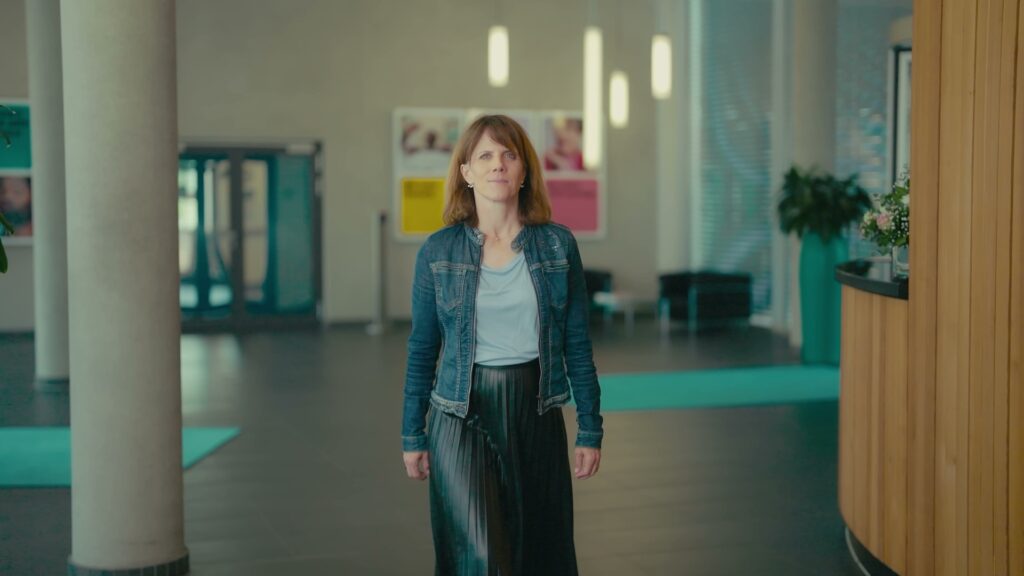
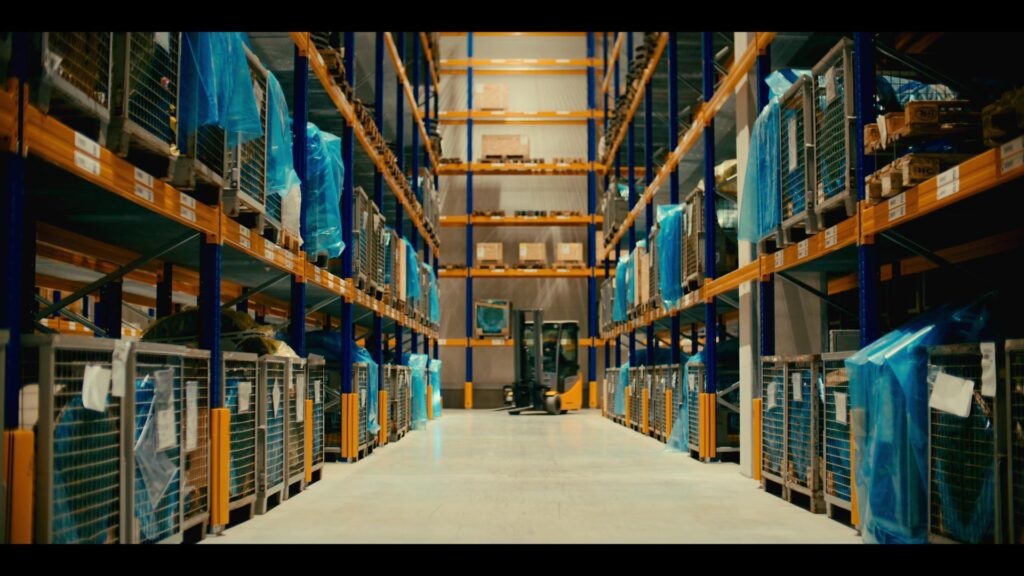
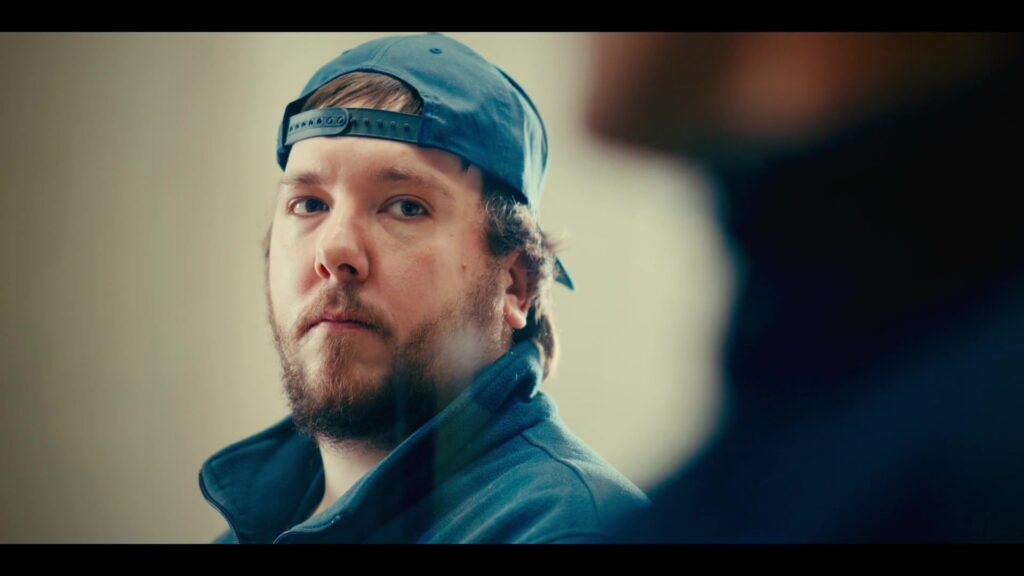
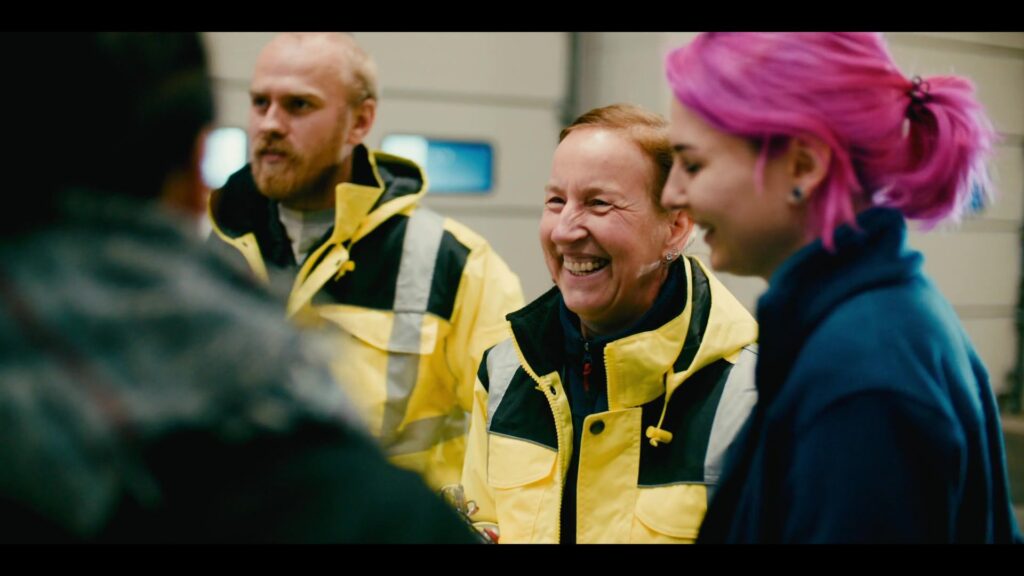
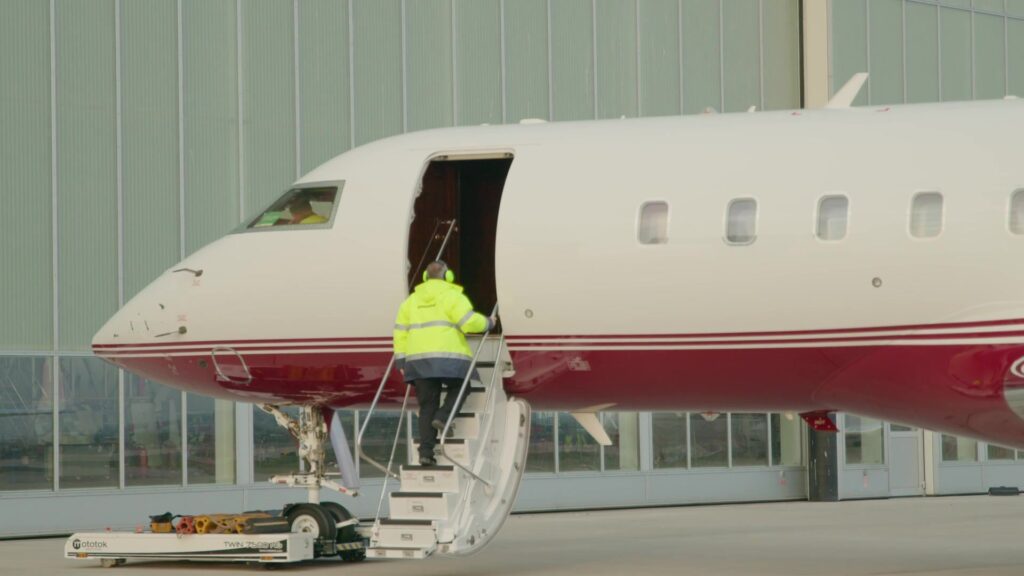
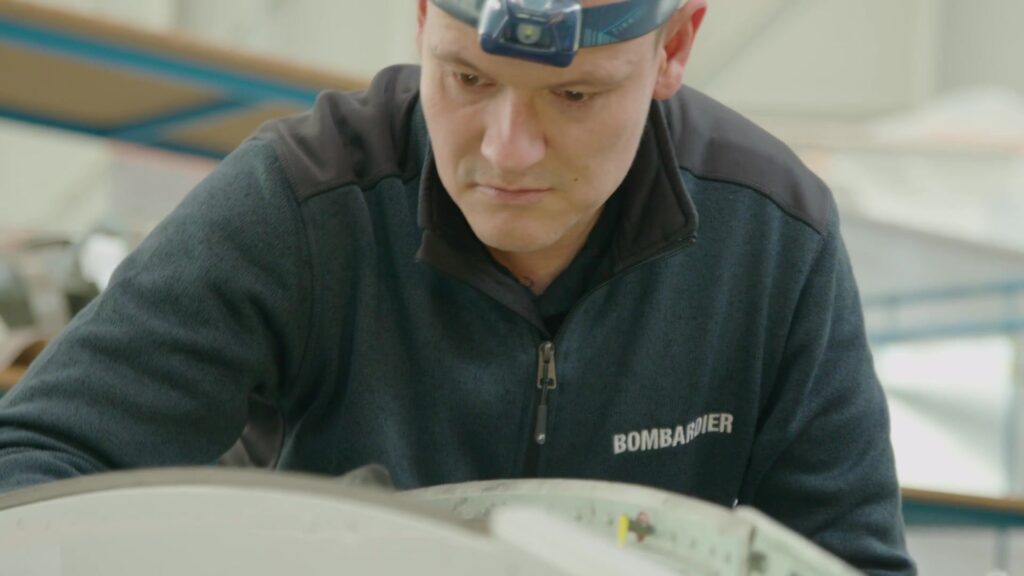
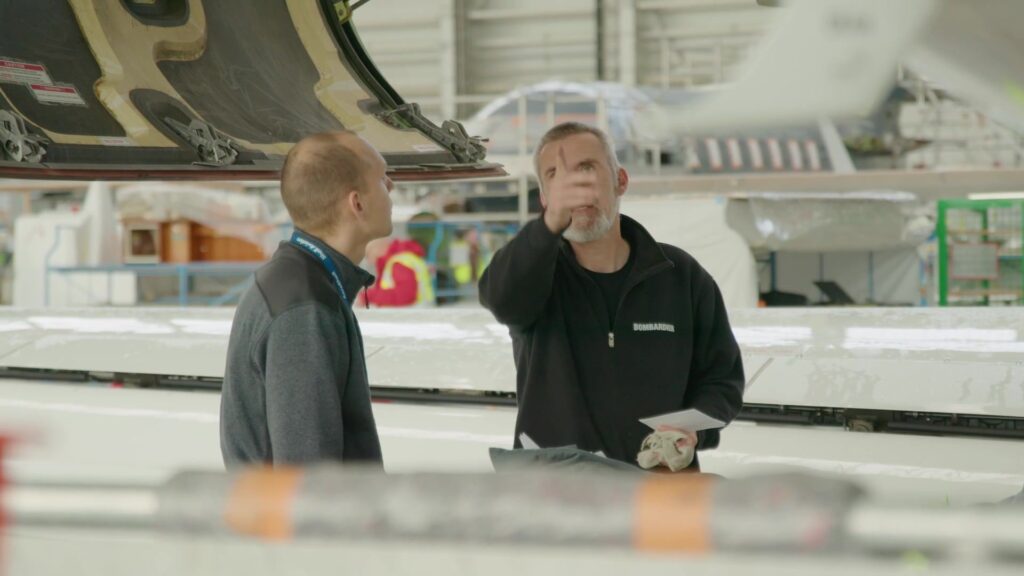
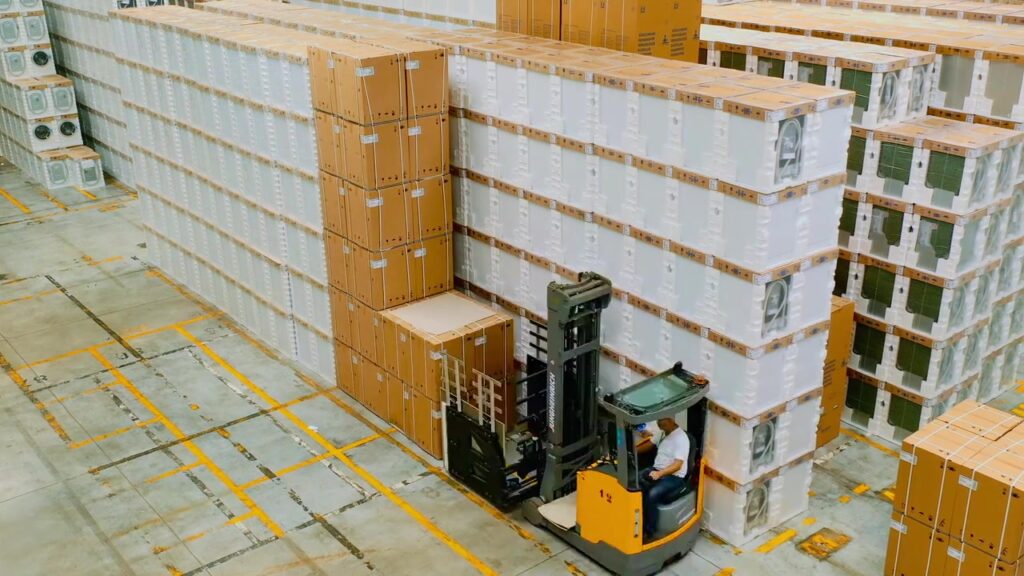
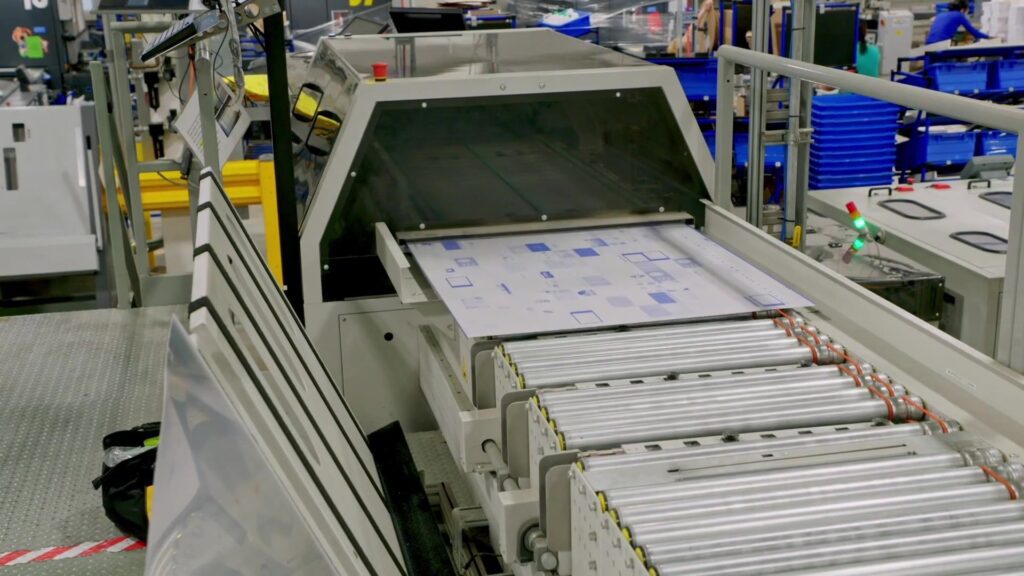
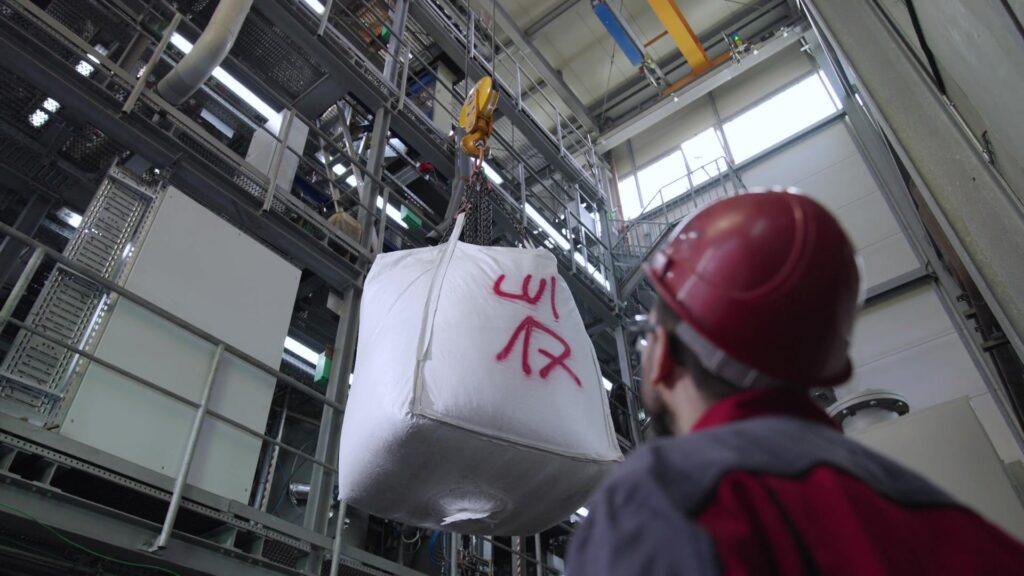
Real stills from our shoots, including those for GLX, Bombardier Berlin, Transporeon, and Gidara Energy. No stock photos, no models—just the people who actually work there.
Why It Works
The market has turned. It's no longer you who choose the candidates—it's the candidates who choose you. And they make their decisions quickly: a quick glance at the job posting, a quick glance at the careers page, and on to the next one.
Words hardly do it justice. Everyone talks about a modern work environment and a strong team. A video proves it in 20 seconds. That’s why we film without any gloss: a real factory floor, real machines, real coworkers. Anyone who applies after watching it knows what they’re getting into. And they stick around.
This pays off in two ways. You'll receive more applications, and they'll be a better fit. You'll avoid the costly mistake of having to let someone go after three months.
One phone call, 20 minutes, an honest assessment: what a film would do for you, how much it would cost, and when it’s not worth the effort.
Case Study · GLX Global Logistic
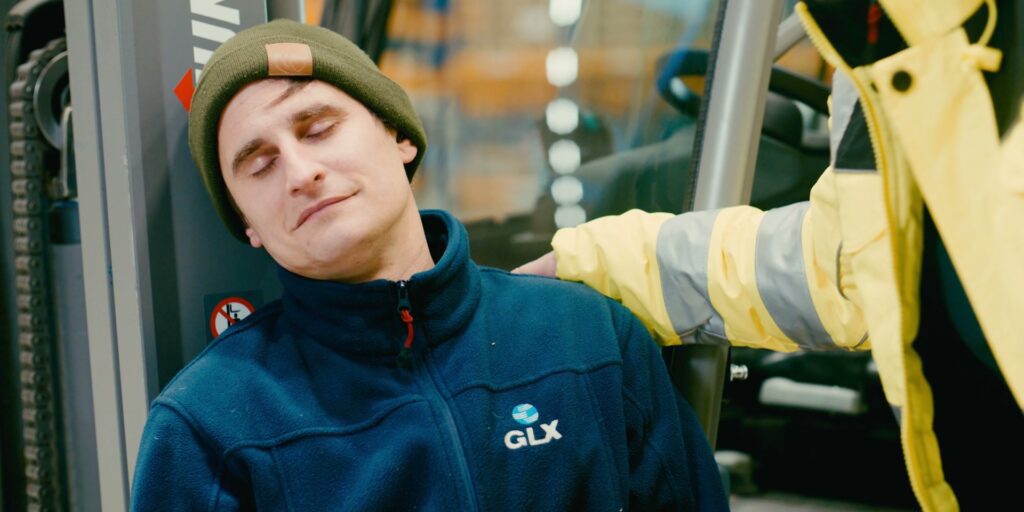
GLX operates eight locations with approximately 250 employees and is constantly looking to hire warehouse staff. Instead of posting another job ad, we filmed a 31-second racing-themed video in our own high-bay warehouse: An employee daydreams about a forklift duel until his coworker wakes him up.
A day of filming during normal warehouse operations, including a safety briefing and six of our own employees in front of the camera. No actors. The campaign generated 400 applications and ten hires in three months. GLX included the video in its email signature, and forklift manufacturer Jungheinrich shared it on LinkedIn.
Process
What positions, what target audience, what channel? A 20-minute phone call is all it takes for an honest assessment.
We develop the concept and shot list. Training, PPE, and the shift schedule are all finalized before the first camera is set up.
One to two days in the hall, workshop, or on the construction site. We work around your operations, not against them.
Feature-length films, short versions, and vertical cuts for social media. Subtitles are standard for us.
Preparation
Four things—and early on. First: The works council and occupational safety representatives must be brought to the table before the shooting schedule is finalized. They have a say in when and where filming is allowed in the studio. Second: Everyone who appears on camera must give their consent beforehand. Voluntarily. A “no” is just as acceptable and doesn’t cost anyone anything.
Third: Mark the areas that must not appear in the video—prototypes, client logos, and processes. Anything marked as off-limits will not be filmed. Fourth: the language. Many teams speak languages other than German. Clarify in advance who will speak in which language and where subtitles are needed.
The sooner this is settled, the smoother the shoot will go. And the less footage will have to be cut for legal reasons afterward. We’ll go over these points with you during our initial meeting.
Costs
Four key factors: the number of shooting days, the number of locations, how disruptive the shoot is to ongoing operations, and how many edited versions you’ll need in the end. One shooting day at a single location with a main film and three social media clips is quite different from three days spread across three plants.
We're transparent about this. You can find all our packages, all our services, and clear pricing at the "Recruiting Video Costs" page.
References
Recruiting Films Recruiting Films
 Recruiting Films
 Recruiting Films
 Recruiting Films
 Recruiting Films
Frequently Asked Questions
A short video that gives job applicants a glimpse into your work environment, your team, and your day-to-day work. The goal isn't to advertise, but to provide a realistic impression: Anyone who applies after watching it will know what to expect.
For industrial companies and manufacturing facilities, construction firms and job sites, machinery and equipment manufacturers, metal fabrication, electrical engineering, building and service technology, and logistics service providers. In short: anywhere where there is a shortage of technical specialists.
Because everyone writes the same thing. Applicants want to see how the work is done, what machines are used, and what the tone is like. A video shows all that in 90 seconds. Text can't do that.
Your own people, real workflows, and the facility or construction site as it looks on a typical day. Important: don’t just show machines and equipment. People convince people.
We provide safety training before the initial setup, PPE for the crew and staff, and a shooting schedule that aligns with your shift schedule. We only enter high-risk areas when accompanied by a supervisor. We avoid downtime on the production line whenever possible.
One or two days of filming are usually enough. You'll receive the first draft two to three weeks after filming, and one round of revisions is included.
On the careers page right next to the job openings, in job postings on Indeed or StepStone, on LinkedIn and regional job boards, at the trade show booth, and at the vocational school. All formats come from a single day of filming.
That depends on the number of shooting days, locations, production costs, and the number of edits. You can find a clear overview of all packages and services on the "Recruiting Film Costs" page.
Kick-off call

★★★★★
5.0 on Google, 59 reviews
Christian Martin Schäfer is the CEO and director of ROCC Film. With us, you’ll be speaking directly with him from the very first call—not with a sales representative. Fifteen minutes are all it takes for an honest assessment.


